Hyperthyroidism vs. Hypothyroidism: Examining the Thyroid’s Influence on Physical, Mental, and Emotional Health
Thrive • January 6, 2022
By Thrive Reno’s Director of Primary Care Services Becky Barnett, PA-C

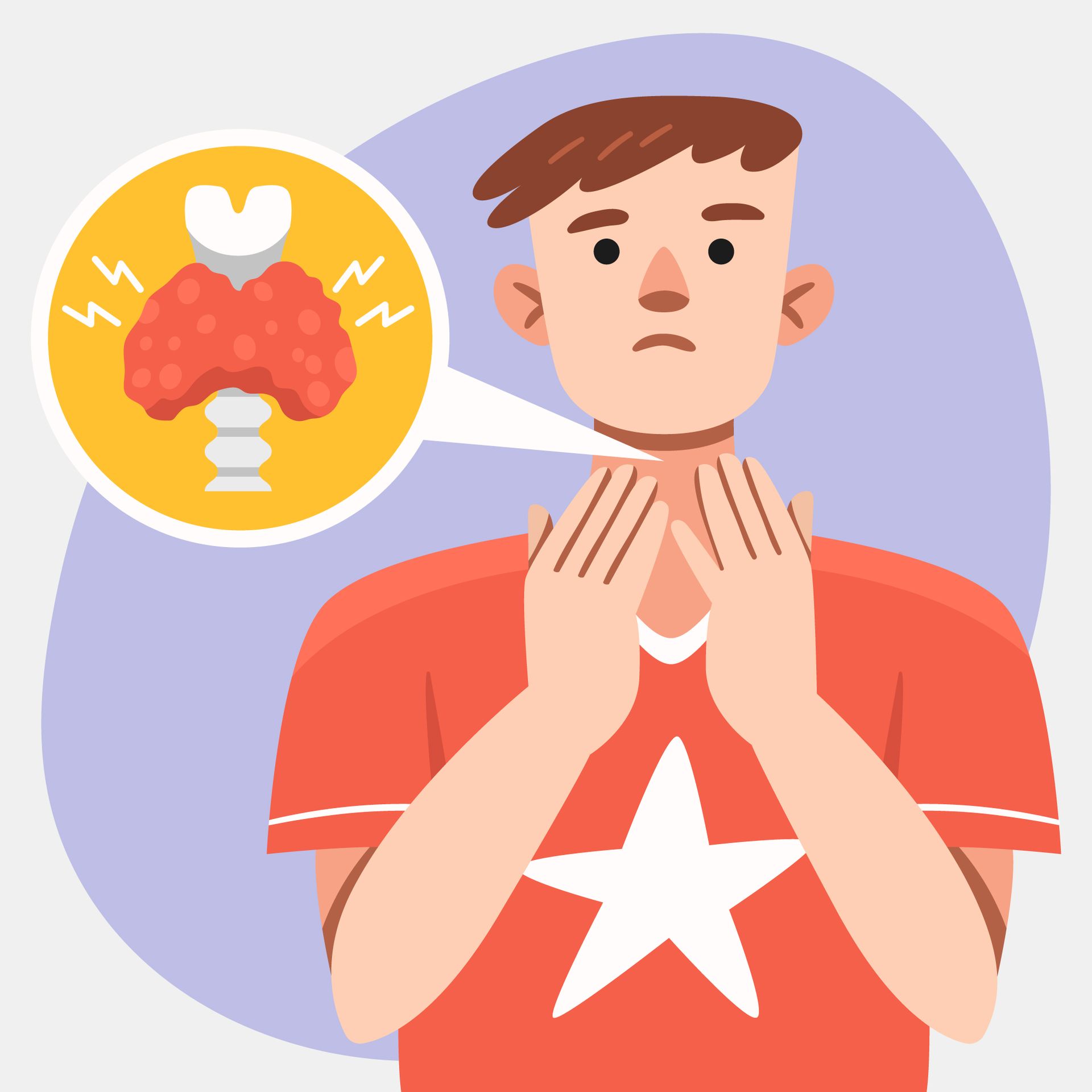
The thyroid is a small gland located just above the collarbone that creates and releases several hormones that are critical to many physical functions within the body. The thyroid’s hormones are also closely linked to a person’s mental and emotional health. 

According to the American Thyroid Association , 20 million or twelve percent of Americans have some form of thyroid dysfunction. Shockingly, sixty percent of individuals experiencing thyroid dysfunction are unaware of their condition. While the causes of thyroid issues are largely unknown, fortunately there are ways to treat thyroid issues.

Explore how thyroid dysfunction can disrupt one’s physical, mental, and emotional health, and learn about common treatment methods.

HYPERTHYROIDISM — AN OVERACTIVE THYROID 

When the thyroid produces too many hormones, it is considered overactive — a condition called hyperthyroidism. An overabundance of thyroid hormones can accelerate the body’s metabolic functions as well as cause symptoms of anxiety

Physical Symptoms of Hyperthyroidism

  • Enlarged thyroid gland
  • Rapid heart rate
  • Difficulty sleeping
  • Restlessness
  • Increased appetite
  • Increased frequency of bowel movements
  • Irregular menstruation cycles
  • Excessive sweating
  • Trembling or shaking

Mental and Emotional Symptoms of Hyperthyroidism

  • Anxiousness
  • Nervousness
  • Irritability
  • Persistent worry
  • Difficulty thinking or concentrating
  • Forgetfulness
  • Feeling overwhelmed
  • Difficulty relaxing

Treatment for Hyperthyroidism

Hyperthyroidism affects less than one percent of the population. A person experiencing hyperthyroidism would typically visit an endocrinologist, which is a physician that specializes in hormones. Oral medications, radioactive iodine treatments, and surgery can be used to slow the thyroid’s production of hormones.

HYPOTHYROIDISM — AN UNDERACTIVE THYROID

An underactive thyroid , or hypothyroidism, produces too few hormones which can lead to decreased metabolic functioning as well as symptoms of depression

Physical Symptoms of Hypothyroidism

  • Slowed metabolism
  • Slowed heart rate
  • High cholesterol
  • Decreased core body temperature
  • Constipation
  • Muscle pain and weakness
  • Dry skin and hair

Mental and Emotional Symptoms of Hypothyroidism

  • Depression
  • Fatigue
  • Social withdrawal
  • Apathy
  • Anxiousness
  • Irritability
  • Forgetfulness
  • Sluggishness
  • Confusion
  • Delayed reaction times
  • Difficulty concentrating

Treatment for Hypothyroidism

Hypothyroidism is a more common condition than hyperthyroidism and can typically be treated by primary care providers. Thyroid replacement hormones in the form of oral medications are often prescribed to manage hypothyroidism.

DIAGNOSING A DYSFUNCTIONING THYROID

Many health care providers don’t routinely screen clients for thyroid dysfunction. So, if you’re concerned that you’re experiencing symptoms of an underactive or overactive thyroid, we encourage you to ask your health care provider to assess your thyroid. A simple blood test can provide an overview of thyroid hormone levels. 

THRIVE SUPPORTS MIND-BODY WELLNESS

Thrive’s team of physicians, psychiatrists, therapists, nutritionists, and movement specialists collaborate to promote our clients’ overall well-being. If you’re struggling with physical, mental, or emotional health concerns, reach out to us to learn more about how we can help you achieve better health.

About the Author

Becky Barnett, PA-C — Thrive Reno Director of Primary Care Services

Becky Barnett, PA-C, has worked as a Physician Assistant for over 25 years with a primary focus on women’s health. She earned a bachelor’s degree from U.C. Riverside in 1991, and graduated from the College of Osteopathic Medicine of the Pacific (now Western University of Health Sciences) as a Physician Assistant in 1995. She has worked in various venues including community health centers, residential mental health facilities, large HMO settings and private practices as she moved throughout California and then into Nevada in 2001. She is proud to represent the medical team of Thrive Wellness of Reno, and is thrilled to be a part of such an authentic and passionate group.

Becky has two sons who attend schools in the Washoe County School District. She enjoys taking weekend excursions into the various wonders Northern Nevada has to offer, going on cruises, and spending time with her friends and family.

Download our free wellness guide.

Discover the power of small, sustainable changes with "How to Thrive: 10 Simple Habits for Healthy Living." This guide offers practical, easy-to-follow habits that promote physical, mental, and emotional well-being.

December 2, 2025
Like the fir tree, a symbol of endurance rooted in hope, our Family Inclusive Recovery (FIR) approach reflects the strength that grows when families face challenges together. At our new residential center “The Greenhouse”, FIR is more than a treatment model, it’s a philosophy of healing that places families at the heart of recovery for adolescents and young adults navigating eating disorders, anxiety disorders, and obsessive-compulsive disorder (OCD). We believe lasting healing doesn’t happen in isolation; it’s built with the support of families through perseverance, hope, and compassionate care. What Is Family Inclusive Recovery (FIR)? Family Intensive Recovery (FIR) is a specialized and immersive approach that actively engages caregivers as central agents in their child’s healing process. Rather than seeing families as contributors to a problem, we view them as essential partners in recovery. Drawing from two evidence-based frameworks, Supportive Parenting for Anxious Childhood Emotions (SPACE) and Family-Based Treatment (FBT), FIR helps families cultivate resilience, confidence, and connection throughout the journey to recovery. Grounded in SPACE and FBT Through the SPACE model, parents learn how to recognize and reduce well-intentioned but unhelpful behaviors known as accommodations that can reinforce anxiety and OCD symptoms. By shifting from rescuing to supporting and challenging, parents develop the confidence to guide their child through discomfort, helping them build distress tolerance and self-trust. Simultaneously, Family-Based Treatment (FBT) empowers families to take an active, compassionate role in their child’s nutritional and emotional recovery. Parents learn how to support weight and nutritional restoration, disrupt the eating disorder’s patterns, and reestablish boundaries that promote health and growing autonomy. Together, these approaches strengthen both the individual and family system, allowing recovery to take root within an environment of empathy and optimism. From Blame to Collaboration A cornerstone of the FIR model is removing blame. At Thrive, parents are not viewed as the cause of their child’s struggles, but rather as key partners in recovery. Treatment focuses on joining forces to create a safe, supportive environment where: Families learn to sit with their child's discomfort alongside them without rushing to fix or control it. Parents practice compassionate firmness, setting boundaries grounded in care and safety. Teens and caregivers rebuild trust through open, honest communication. This collaborative framework helps families reestablish a sense of connection and confidence, fostering long-term resilience and open communication that extends beyond the treatment setting. Why Family Matters in Recovery Recovery from eating disorders, OCD, or anxiety isn’t a one-person job, it requires integrated care including the family. When families learn to navigate challenges together, they can model emotional regulation, reinforce healthy boundaries, and create conditions for sustained recovery. Through FIR, we aim to strengthen attachment bonds, reshape family interactions, and empower every member of the family to grow. The result is not only symptom reduction but also a deeper sense of unity, hope, and shared endurance, just like the steadfast fir tree that stands resilient through every season. Moving Toward Hope Family Inclusive Recovery invites caregivers and loved ones to become active participants in change. It’s a journey of learning, letting go, and leaning into love and acceptance. Together, families and clinicians can cultivate the courage in clients to face uncertainty, and in doing so, help them discover that recovery is not just possible, but enduring. If you’d like to learn more about Family Intensive Recovery at The Greenhouse or how we support families in eating disorder and OCD treatment, reach out to our team today.
November 14, 2025
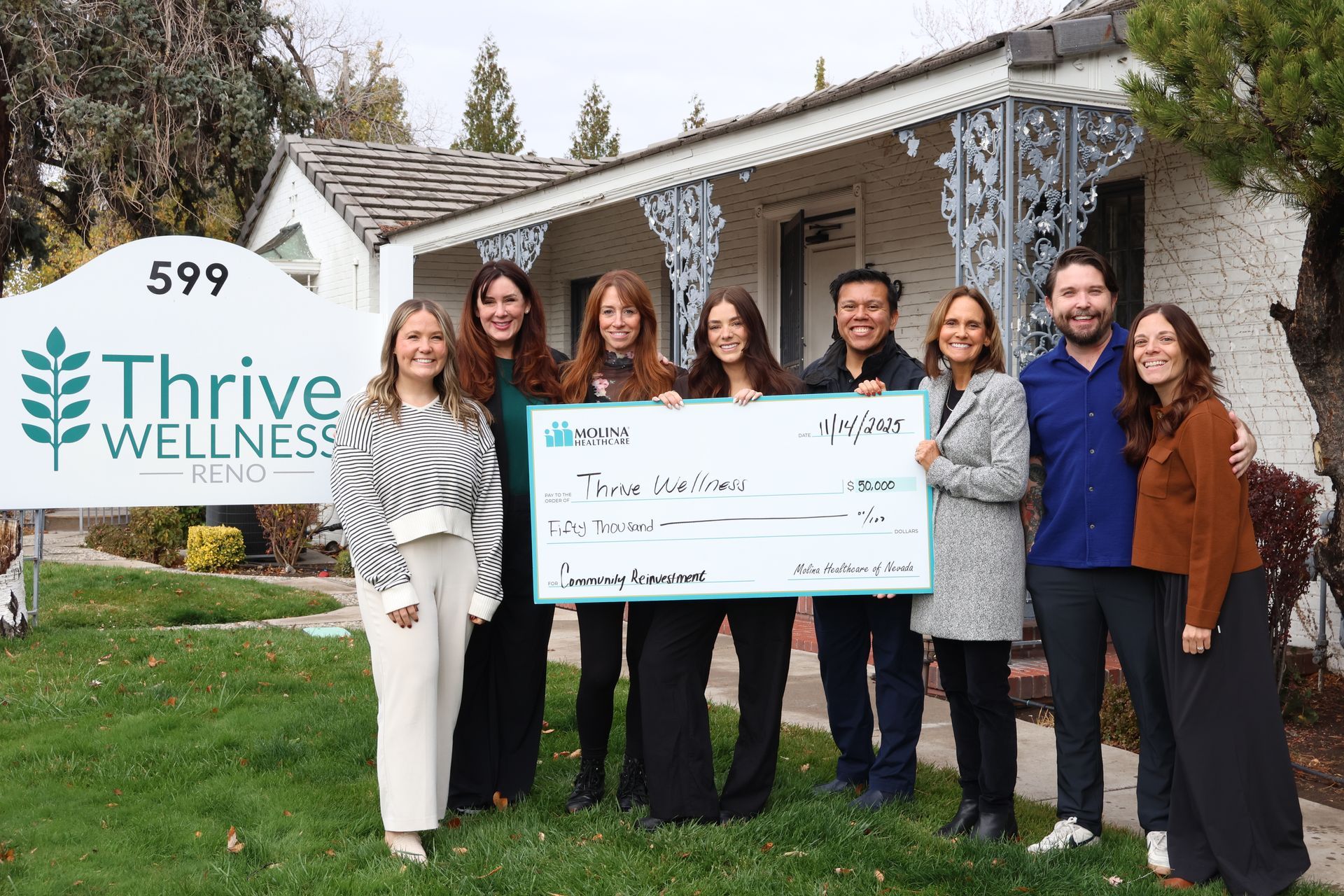
The Greenhouse at Thrive Wellness A New Chapter of Hope and Healing in Nevada On Friday, November 14 , we gathered with our partners at Molina Healthcare to share an important moment for our community. Together, we celebrated Molina’s generous $50,000 grant , an investment that is helping bring The Greenhouse to life. Their support is not only a financial contribution—it’s a statement of belief in the young people and families of Nevada who deserve access to compassionate, evidence-based mental healthcare close to home. This gathering marked the beginning of something we’ve dreamed about for years: a place designed specifically for adolescents and emerging adults to receive the care, connection, and support they need during some of the most vulnerable moments of their lives. Something New Is Growing In early 2026 , Thrive Wellness will open The Greenhouse , Nevada’s first residential treatment center devoted to adolescents and emerging adults navigating eating disorders, anxiety, and OCD . For too long, families have faced a heartbreaking dilemma—send their child far from home for treatment or go without the specialized care they need. The Greenhouse is our answer to that gap. It will be a place where young people can settle into an environment built for healing, where they are understood, supported, and surrounded by a team that believes in their capacity to recover. The Greenhouse represents a natural extension of our mission. It’s a living expression of our belief that recovery is possible—and that with the right support, families can find their footing again. 
November 11, 2025
Are you looking for a meaningful way to give back this holiday season? Thrive Wellness is excited to continue our 6th Annual Giving Tree Program in collaboration with Perenn Bakery this winter. This year, Thrive Wellness Reno and Perenn Bakery are proud to partner with Ronald McDonald House Charities® of Northern Nevada. The organization supports families with children receiving treatment at area hospitals, providing comfort, hope, and a home-away-from-home during challenging times. Ronald McDonald House Charities offers essential services, removes barriers, strengthens families, and promotes healing when children need healthcare the most. How It Works Simply take one (or a few) tags from the Giving Tree, each listing an item you can purchase and donate for residents of the Ronald McDonald House. Then, drop off your item(s) at one of our designated donation locations by Friday, December 19. Items Needed: Restaurant gift cards Walmart or Target gift cards Games, puzzles, and coloring books Toys (Barbie, Hot Wheels, Lego sets, craft sets, magnet blocks, baby dolls, action figures, journals, infant toys, etc.) Children's books (picture, chapter, and graphic novels) Toiletry sets (for adults) Lotion/self-care gift sets (for adults) Sweatshirts/hoodies (adults, XS-XXL) Scarves, gloves, fuzzy socks, pajamas (all sizes) Infant diapers, onesies, and baby bottles Bulk individually wrapped snacks (granola bars, chips, etc.) Please ensure all donations are new, in original packaging, and unwrapped. Donation Drop-Off Locations Please deliver donations by Friday, December 19, to one of the following sites: Thrive Wellness 201 W Liberty St., Suite 201, Reno, NV 89501 Perenn Grocery 7600 Rancharrah Pkwy, Suite 130, Reno, NV 89511 The first 50 people to return their donations will receive a complimentary ornament gift!  Why We Give Back Through our Giving Tree program, we’re honoring one of our core values at Thrive Wellness: staying rooted in community. This annual tradition allows us to give back to those who need support most during the holiday season. We invite you to join us by taking a tag at any Thrive or Perenn location and helping spread kindness throughout our community. There’s no better way to embrace the holiday spirit than by supporting local families with thoughtful, heartfelt donations. We are deeply grateful for your generosity and continued support. Thank you for helping us make a difference!
More Posts

Start your healing journey today

NEXT STEPS

Are you ready to find hope? We can't wait to connect you with the care you need. To get started with us, please reach out using the link below.   

Obsessive Compulsive Disorder

Learn more →

Perinatal

Mental Health

Learn more →

Obsessive Compulsive Disorder

Learn more →

Perinatal

Mental Health

Learn more →