





























View more



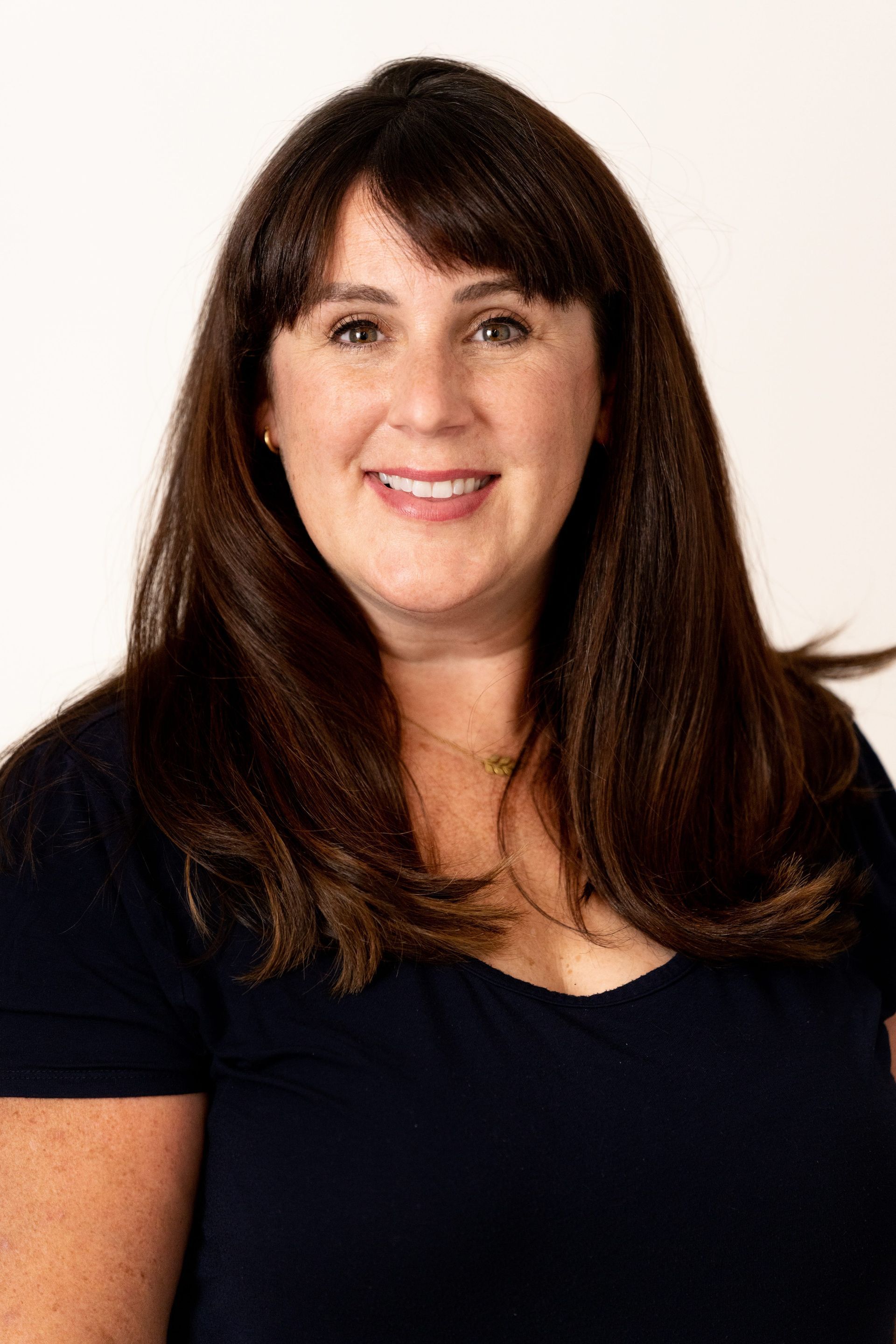
Kat Geiger
Founder - DCSW, LCSW, CEDS-C, PMH-C
Emil Geiger
Chief Financial Officer - PhD
Amanda Dudley
Executive Director
Erin McGinty Fort
Director of Operations - MS, MHA, LPC-S, CEDS-C
Katie Stout-Ithurralde
Director of Human Resources - MBA
Michelle Breese
Revenue Cycle Manager
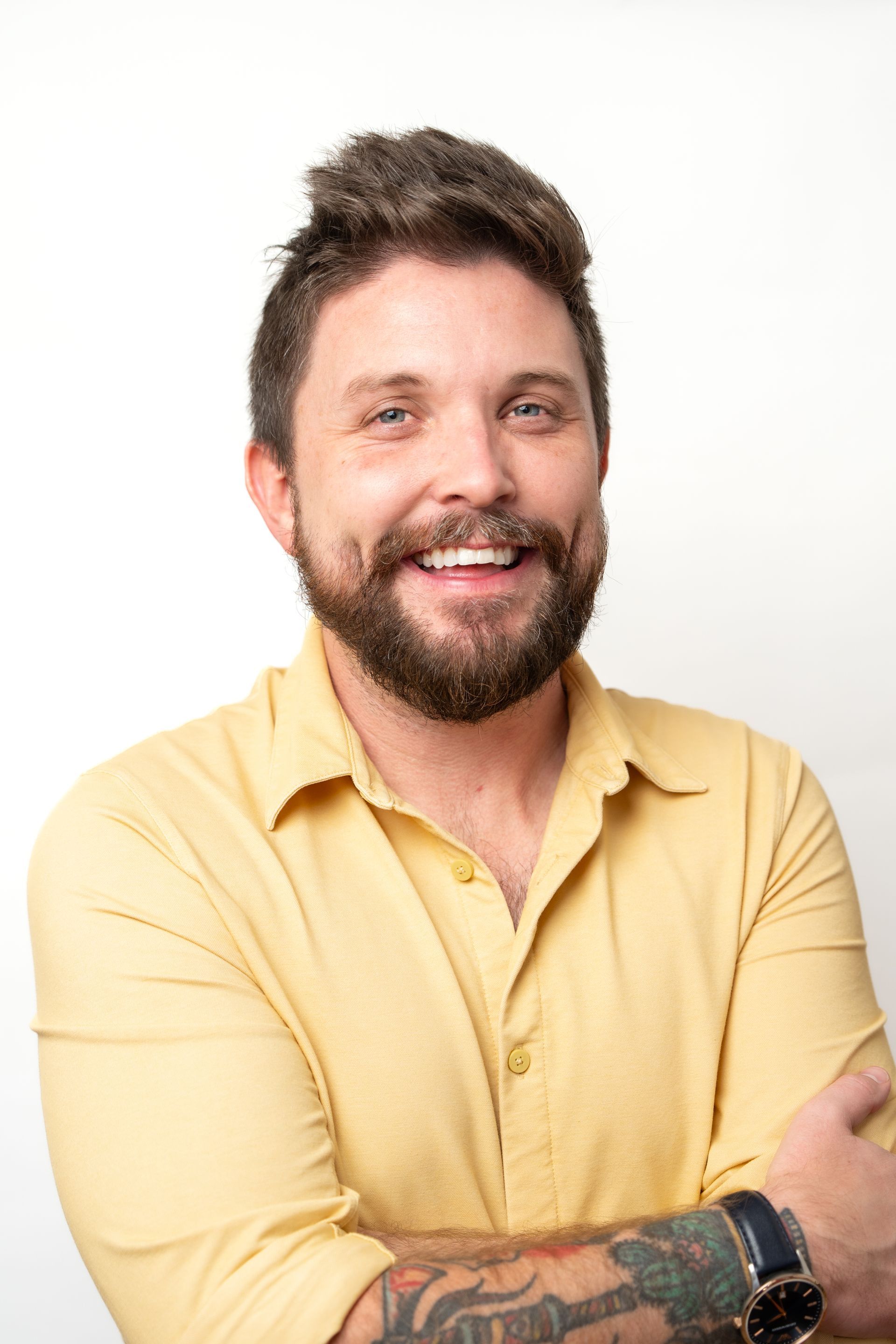
Caleb Carter
Community Liaison
Amy Echard
Director of Utilization Review
Paige Schanbacher
Eating Disorder Program Clinical Lead - MFT
Melanie Aparicio
Outpatient Clinical Lead - MFT
Julia Actis
Admissions Manager - LCSW
Jamie Peterson
Admissions Manager
Taylor Sawyer
Eating Disorder Program Manager
Dr. Jayleen Chen
M.D., Medical Director and Pediatric and Adolescent Psychiatrist
Meredith D’Agostino
DNP, APRN, CEDS-S, Psychiatric Nurse Practitioner
Jamie Parker
APRN, PMHNP-BC, Psychiatric Nurse Practitioner
Laura Horst
MSN-Ed, APRN, PMHNP-BC
Lorrie Oksenholt
D.O., Primary Care Physician, Internal Medicine
Dr. Stephanie Wright
M.D., Primary Care Physician, Family Medicine
Dr. Meadow Deason
OTD, OTR/L, Director of Occupational Therapy
Heather Haddox
MA, LMSW, CSW-Intern
Lynn Carver
LCSW
Jaliyah Campbell
LCSW
Rachel Squires
LCSW
Morgan Gent
LCSW
Brett Glanzmann
MFT
Brayden Morgan
LCSW
Brianna Villalpando
LCSW
Eden Daniels
LMSW, CSW-Intern
Alyssa Zaracki
CPC-Intern
Laura Oberg
MFA, LMSW, CSW-Intern, RD
Malina Eubanks
LMSW, CSW-Intern
Abi Morris
LMSW, CSW-Intern
Caroline Adams-Breland
MFT-Intern
Eric Nelson
LMSW, CSW-Intern, CADC
Hannah Horton
CPC-Intern
Brandon Steel
LMSW, CSW-Intern
Julia Riggleman
LMSW, CSW-Intern
Tira Price
LMSW, CSW-Intern
Luke Leveroni-Sorenson
LMSW, CSW-Intern
Holland Chambers
RDN, Registered Dietitian
Lorraine Platka-Bird
Ph.D., RD, CEDRD, CDE, Director of Nutrition Services
Mandy Lantz
RDN, Registered Dietitian
Danielle Yantis
RDN, Registered Dietitian

Like the fir tree, a symbol of endurance rooted in hope, our Family Inclusive Recovery (FIR) approach reflects the strength that grows when families face challenges together. At our new residential center “The Greenhouse”, FIR is more than a treatment model, it’s a philosophy of healing that places families at the heart of recovery for adolescents and young adults navigating eating disorders, anxiety disorders, and obsessive-compulsive disorder (OCD). We believe lasting healing doesn’t happen in isolation; it’s built with the support of families through perseverance, hope, and compassionate care. What Is Family Inclusive Recovery (FIR)? Family Intensive Recovery (FIR) is a specialized and immersive approach that actively engages caregivers as central agents in their child’s healing process. Rather than seeing families as contributors to a problem, we view them as essential partners in recovery. Drawing from two evidence-based frameworks, Supportive Parenting for Anxious Childhood Emotions (SPACE) and Family-Based Treatment (FBT), FIR helps families cultivate resilience, confidence, and connection throughout the journey to recovery. Grounded in SPACE and FBT Through the SPACE model, parents learn how to recognize and reduce well-intentioned but unhelpful behaviors known as accommodations that can reinforce anxiety and OCD symptoms. By shifting from rescuing to supporting and challenging, parents develop the confidence to guide their child through discomfort, helping them build distress tolerance and self-trust. Simultaneously, Family-Based Treatment (FBT) empowers families to take an active, compassionate role in their child’s nutritional and emotional recovery. Parents learn how to support weight and nutritional restoration, disrupt the eating disorder’s patterns, and reestablish boundaries that promote health and growing autonomy. Together, these approaches strengthen both the individual and family system, allowing recovery to take root within an environment of empathy and optimism. From Blame to Collaboration A cornerstone of the FIR model is removing blame. At Thrive, parents are not viewed as the cause of their child’s struggles, but rather as key partners in recovery. Treatment focuses on joining forces to create a safe, supportive environment where: Families learn to sit with their child's discomfort alongside them without rushing to fix or control it. Parents practice compassionate firmness, setting boundaries grounded in care and safety. Teens and caregivers rebuild trust through open, honest communication. This collaborative framework helps families reestablish a sense of connection and confidence, fostering long-term resilience and open communication that extends beyond the treatment setting. Why Family Matters in Recovery Recovery from eating disorders, OCD, or anxiety isn’t a one-person job, it requires integrated care including the family. When families learn to navigate challenges together, they can model emotional regulation, reinforce healthy boundaries, and create conditions for sustained recovery. Through FIR, we aim to strengthen attachment bonds, reshape family interactions, and empower every member of the family to grow. The result is not only symptom reduction but also a deeper sense of unity, hope, and shared endurance, just like the steadfast fir tree that stands resilient through every season. Moving Toward Hope Family Inclusive Recovery invites caregivers and loved ones to become active participants in change. It’s a journey of learning, letting go, and leaning into love and acceptance. Together, families and clinicians can cultivate the courage in clients to face uncertainty, and in doing so, help them discover that recovery is not just possible, but enduring. If you’d like to learn more about Family Intensive Recovery at The Greenhouse or how we support families in eating disorder and OCD treatment, reach out to our team today.
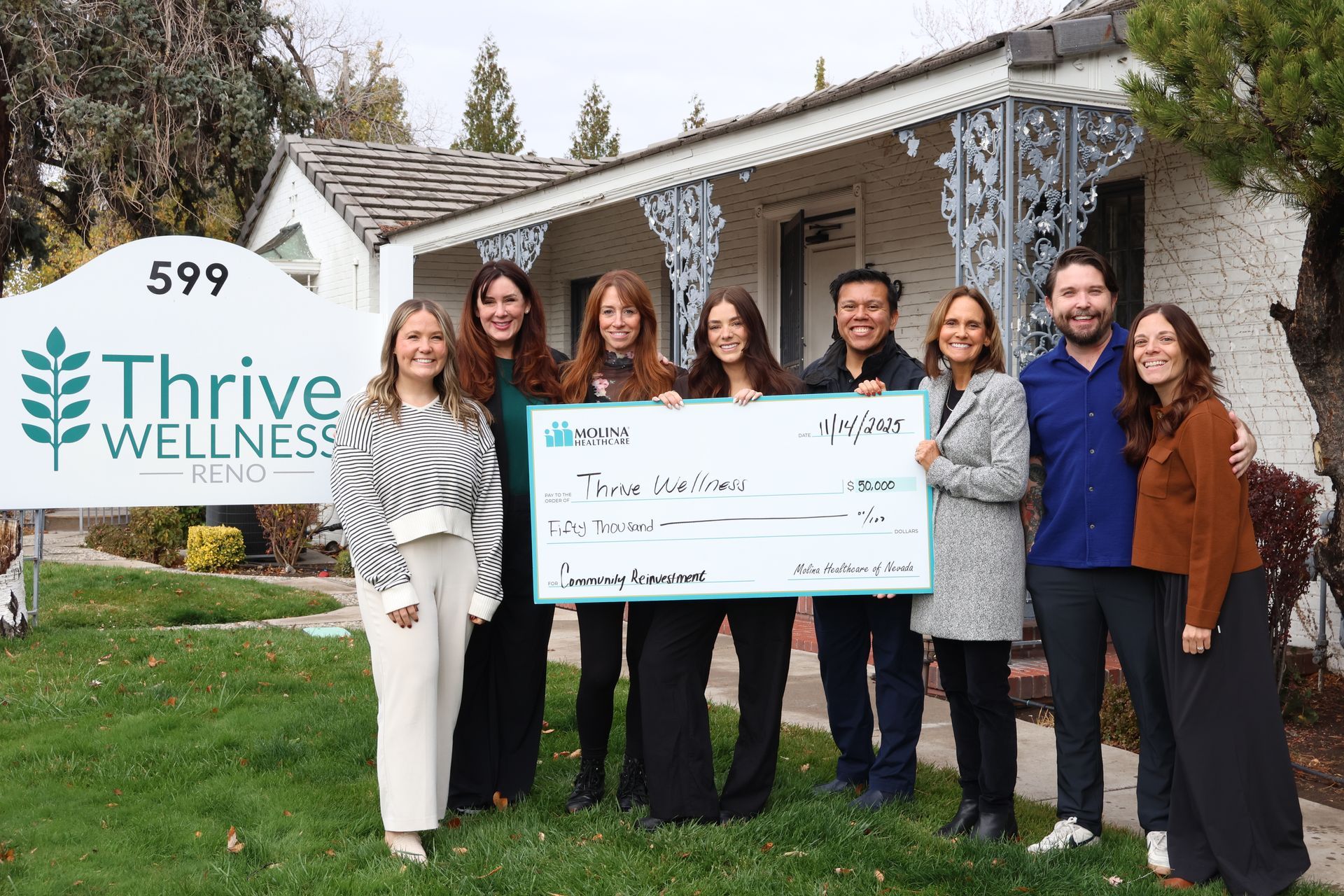
The Greenhouse at Thrive Wellness A New Chapter of Hope and Healing in Nevada On Friday, November 14 , we gathered with our partners at Molina Healthcare to share an important moment for our community. Together, we celebrated Molina’s generous $50,000 grant , an investment that is helping bring The Greenhouse to life. Their support is not only a financial contribution—it’s a statement of belief in the young people and families of Nevada who deserve access to compassionate, evidence-based mental healthcare close to home. This gathering marked the beginning of something we’ve dreamed about for years: a place designed specifically for adolescents and emerging adults to receive the care, connection, and support they need during some of the most vulnerable moments of their lives. Something New Is Growing In early 2026 , Thrive Wellness will open The Greenhouse , Nevada’s first residential treatment center devoted to adolescents and emerging adults navigating eating disorders, anxiety, and OCD . For too long, families have faced a heartbreaking dilemma—send their child far from home for treatment or go without the specialized care they need. The Greenhouse is our answer to that gap. It will be a place where young people can settle into an environment built for healing, where they are understood, supported, and surrounded by a team that believes in their capacity to recover. The Greenhouse represents a natural extension of our mission. It’s a living expression of our belief that recovery is possible—and that with the right support, families can find their footing again.

Are you looking for a meaningful way to give back this holiday season? Thrive Wellness is excited to continue our 6th Annual Giving Tree Program in collaboration with Perenn Bakery this winter. This year, Thrive Wellness Reno and Perenn Bakery are proud to partner with Ronald McDonald House Charities® of Northern Nevada. The organization supports families with children receiving treatment at area hospitals, providing comfort, hope, and a home-away-from-home during challenging times. Ronald McDonald House Charities offers essential services, removes barriers, strengthens families, and promotes healing when children need healthcare the most. How It Works Simply take one (or a few) tags from the Giving Tree, each listing an item you can purchase and donate for residents of the Ronald McDonald House. Then, drop off your item(s) at one of our designated donation locations by Friday, December 19. Items Needed: Restaurant gift cards Walmart or Target gift cards Games, puzzles, and coloring books Toys (Barbie, Hot Wheels, Lego sets, craft sets, magnet blocks, baby dolls, action figures, journals, infant toys, etc.) Children's books (picture, chapter, and graphic novels) Toiletry sets (for adults) Lotion/self-care gift sets (for adults) Sweatshirts/hoodies (adults, XS-XXL) Scarves, gloves, fuzzy socks, pajamas (all sizes) Infant diapers, onesies, and baby bottles Bulk individually wrapped snacks (granola bars, chips, etc.) Please ensure all donations are new, in original packaging, and unwrapped. Donation Drop-Off Locations Please deliver donations by Friday, December 19, to one of the following sites: Thrive Wellness 201 W Liberty St., Suite 201, Reno, NV 89501 Perenn Grocery 7600 Rancharrah Pkwy, Suite 130, Reno, NV 89511 The first 50 people to return their donations will receive a complimentary ornament gift! Why We Give Back Through our Giving Tree program, we’re honoring one of our core values at Thrive Wellness: staying rooted in community. This annual tradition allows us to give back to those who need support most during the holiday season. We invite you to join us by taking a tag at any Thrive or Perenn location and helping spread kindness throughout our community. There’s no better way to embrace the holiday spirit than by supporting local families with thoughtful, heartfelt donations. We are deeply grateful for your generosity and continued support. Thank you for helping us make a difference!